
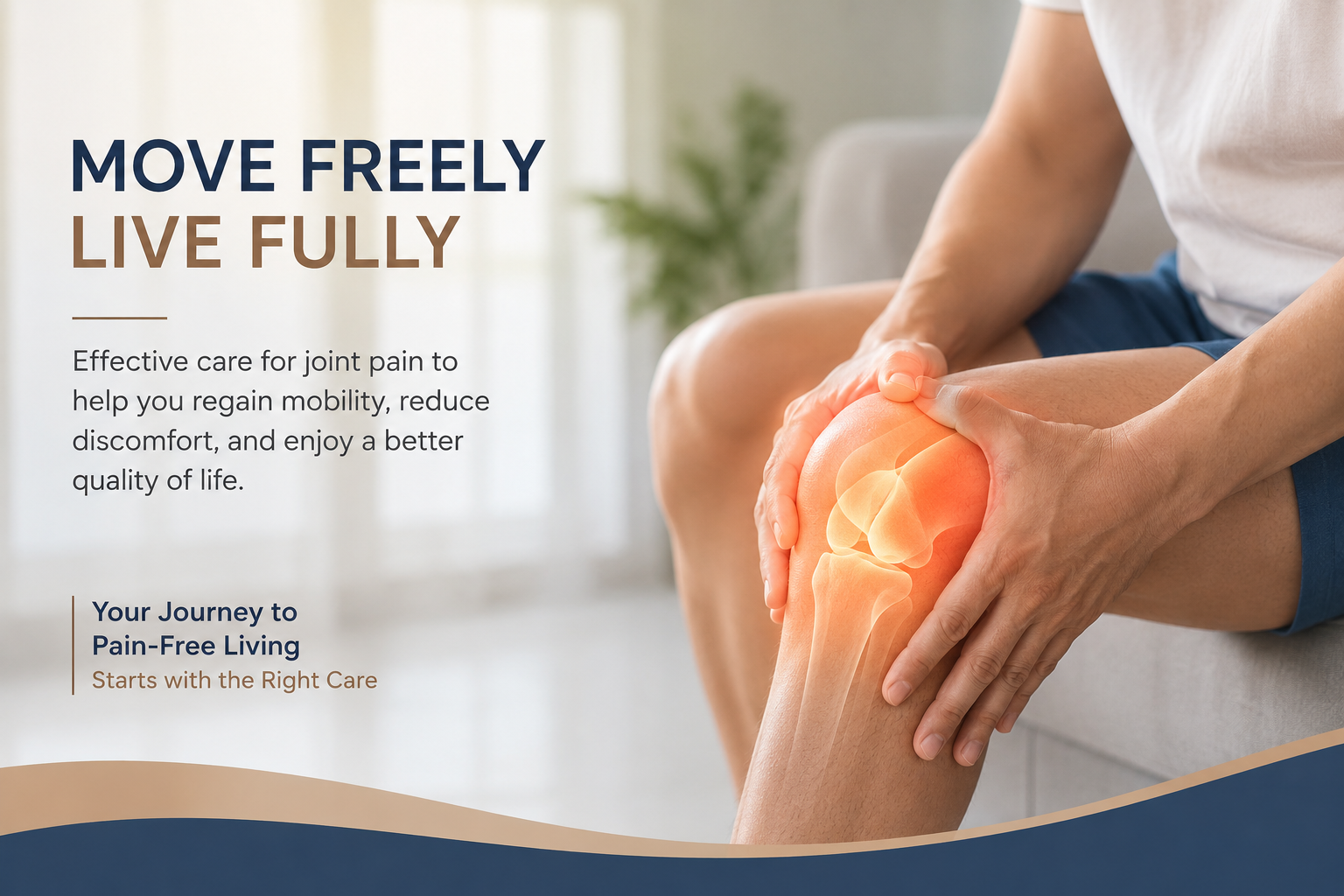
Joint pain can affect people of all ages, making everyday activities challenging and uncomfortable. Whether caused by aging, injury, arthritis, or an underlying medical condition, persistent joint pain should never be ignored. Seeking timely joint pain treatment in Hinjewadi can help restore mobility, reduce discomfort, and improve overall quality of life.
In this article, we will discuss common causes of joint pain, available treatment options, and the importance of chronic joint pain management for maintaining an active and healthy lifestyle.
Understanding Joint Pain
Joint pain refers to discomfort, stiffness, swelling, or inflammation occurring in one or multiple joints. The severity may range from mild aches to debilitating pain that interferes with routine tasks.
Several factors contribute to joint pain, including:
- Osteoarthritis
- Rheumatoid arthritis
- Sports injuries
- Tendonitis
- Bursitis
- Gout
- Obesity-related joint stress
- Autoimmune disorders
Ignoring symptoms can worsen the condition over time, making professional intervention essential.
Why Early Diagnosis Matters
Many individuals attempt self-medication or rely on home remedies for months before consulting a specialist. While temporary relief may occur, untreated joint problems often progress and become more difficult to manage.
Early diagnosis offers numerous benefits:
- Identifies the root cause accurately
- Prevents further joint damage
- Reduces inflammation effectively
- Improves long-term mobility
- Minimizes dependency on pain medications
Patients experiencing persistent discomfort should consider seeking joint pain treatment in Hinjewadi to receive personalized care plans and targeted therapies.
The Importance of Chronic Joint Pain Management
Living with long-term joint pain can affect physical health, emotional well-being, and productivity. Proper chronic joint pain management focuses on reducing symptoms while improving overall joint function.
A comprehensive management strategy may include:
Lifestyle Modifications
Maintaining a healthy body weight reduces pressure on weight-bearing joints such as the knees and hips. Even small weight reductions can significantly decrease pain levels.
Exercise and Physical Therapy
Low-impact activities such as walking, cycling, and swimming strengthen muscles supporting the joints. Physical therapy sessions can improve flexibility and range of motion.
Nutritional Support
A balanced diet rich in antioxidants, calcium, vitamin D, and omega-3 fatty acids may help reduce inflammation and support joint health.
Medication Guidance
Doctors may recommend anti-inflammatory medications, supplements, or injections based on individual requirements.
Advanced Treatment Procedures
Some patients benefit from regenerative therapies, minimally invasive procedures, or surgical interventions when conservative treatments fail.
Implementing these approaches ensures better chronic joint pain management and enhances daily functioning.
Available Treatment Options for Joint Pain
Modern orthopedic care provides various treatment solutions tailored to the severity of symptoms and underlying conditions.
Pain Management Techniques
Doctors may prescribe medications to control inflammation and provide temporary relief from discomfort.
Physiotherapy Programs
Customized rehabilitation exercises help strengthen surrounding muscles, improve posture, and restore normal joint movement.
Injection Therapies
Corticosteroid and hyaluronic acid injections are commonly used to alleviate pain and improve joint lubrication.
Platelet-Rich Plasma Therapy
PRP therapy uses the patient’s own blood components to stimulate tissue healing and reduce inflammation.
Surgical Treatments
When severe degeneration occurs, surgical options such as arthroscopy or joint replacement may be recommended.
Choosing the right treatment depends on age, activity level, diagnosis, and overall health status.
Maintaining Healthy Joints for Life
Preventive care plays a crucial role in preserving joint health and delaying degenerative changes.
Consider these practical tips:
- Stay physically active
- Maintain ideal body weight
- Stretch regularly
- Avoid repetitive strain injuries
- Follow ergonomic practices while working
- Wear supportive footwear
- Consume nutrient-rich foods
- Attend regular orthopedic evaluations
These simple measures contribute significantly to long-term joint wellness.
For individuals suffering from knee-related concerns, consulting a joint pain treatment in Hinjewadi can provide specialized assessment and effective treatment recommendations.
Frequently Asked Questions (FAQs)
What are the most common symptoms of joint pain?
Joint pain symptoms may include stiffness, swelling, redness, tenderness, decreased range of motion, and difficulty performing daily activities.
When should I consult a doctor for joint pain?
Medical consultation is advisable if pain persists for more than a few weeks, worsens over time, limits mobility, or is associated with swelling and fever.
Can chronic joint pain be treated without surgery?
Yes. Many patients experience significant improvement through physiotherapy, medications, weight management, exercise programs, and regenerative treatments.
How does chronic joint pain management improve quality of life?
Proper chronic joint pain management reduces pain intensity, enhances mobility, improves sleep quality, and enables individuals to maintain an active lifestyle.
Should I consult a knee specialist if my joint pain mainly affects the knees?
Yes. If you experience persistent knee pain, swelling, instability, or difficulty walking, consulting a specialist is recommended. A knee expert in Pashan can assess your condition, identify the underlying cause, and suggest personalized treatment options to help restore mobility and reduce discomfort.
Is exercise safe for people with joint pain?
Yes. Low-impact exercises performed under professional guidance help strengthen muscles and improve flexibility without placing excessive stress on joints.
Final Thoughts
Persistent joint pain should never be considered a normal part of aging. Timely diagnosis and appropriate treatment can prevent complications and restore comfortable movement. Whether your symptoms are recent or have been affecting you for years, seeking professional joint pain treatment in Hinjewadi can make a meaningful difference in your overall well-being.
Adopting healthy habits, following expert recommendations, and focusing on effective chronic joint pain management can help you regain confidence and enjoy a more active life.
Connect With Us
Step Ahead Clinic
📍 602, 6th Floor, SK Business Park, Above Benecare Hospital, Opposite ABZ, Baner – 411045
📧 stepaheadclinic@gmail.com
📞 +91 8237289813
📞 +91 9371247168
