Knee pain is a common problem that can affect people of all ages. It may develop gradually because of ageing and joint wear or occur suddenly after an injury, fall, or sports activity. Even simple daily activities such as walking, climbing stairs, sitting down, or standing up can become uncomfortable when the knee is painful.
Understanding the cause of knee pain is the first step towards finding the right treatment. While some cases improve with rest and simple home care, persistent or severe pain may require medical evaluation and a personalized treatment plan.
At Step Ahead Clinic, understanding the symptoms, identifying the underlying cause, and choosing an appropriate treatment approach are important parts of knee care.
What Is Knee Pain?
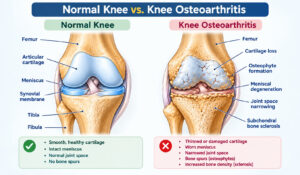
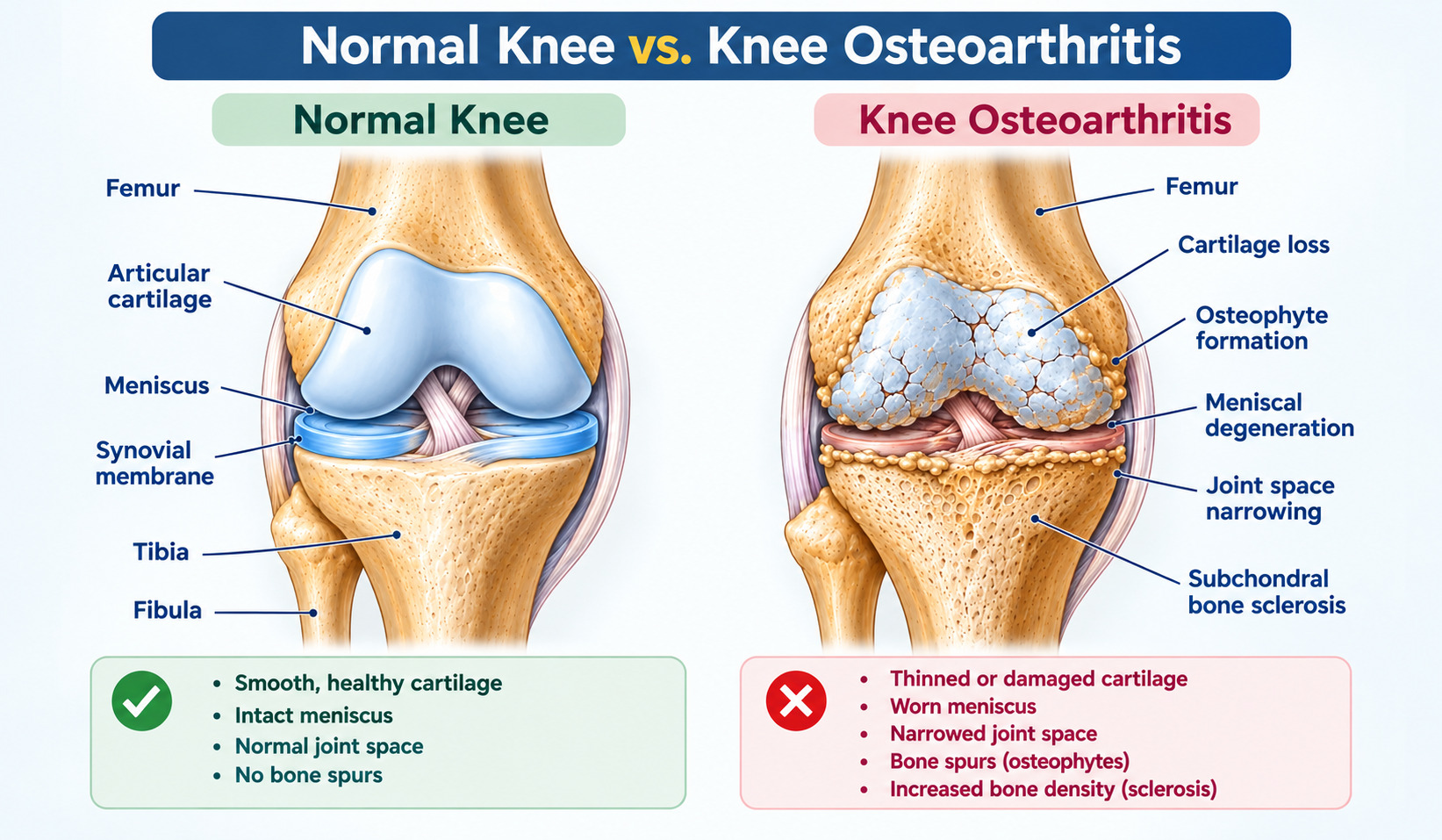
Knee pain refers to discomfort in or around the knee joint. The knee is a complex joint that connects the thigh bone (femur) to the shin bone (tibia). The kneecap, cartilage, ligaments, tendons, muscles, and other supporting structures work together to provide stability and movement.
Pain can occur in the front, back, inner, or outer part of the knee. It may be mild and temporary or severe enough to affect mobility and everyday activities.
The location, intensity, duration, and circumstances in which the pain develops can help a healthcare professional identify its possible cause.
Common Causes of Knee Pain
Several conditions can contribute to knee pain. The appropriate treatment depends on the underlying problem, the severity of symptoms, and the patient’s overall health.
1. Osteoarthritis
Osteoarthritis is one of the common causes of knee pain, particularly among older adults. It develops when the protective cartilage inside the joint gradually wears down. This can lead to stiffness, discomfort, swelling, and reduced movement.
People with knee osteoarthritis may experience:
- Pain during walking or climbing stairs
- Stiffness after waking up or sitting for a long time
- Swelling around the knee
- Difficulty bending or straightening the joint
- A grinding or clicking sensation during movement
Although osteoarthritis is a long-term condition, appropriate treatment and lifestyle changes can help many people manage their symptoms.
2. Knee Injuries
Knee injuries can occur during sports, exercise, accidents, or everyday activities. Sudden twisting movements, direct impact, or awkward landings may damage the structures supporting the knee.
Common knee injuries include ligament tears, meniscus tears, tendon injuries, and fractures.
Symptoms may include sudden pain, swelling, instability, difficulty bearing weight, or a feeling that the knee is giving way. Some injuries require prompt assessment to prevent further damage.
3. Meniscus Tear
The meniscus is a piece of cartilage that helps cushion and stabilize the knee joint. A tear can occur during a twisting movement, especially while the foot remains planted on the ground. Meniscus tears can also develop gradually as the tissue changes with age.
Common symptoms include pain along the inner or outer side of the knee, swelling, catching, stiffness, and difficulty fully bending or straightening the joint.
Treatment depends on the size and location of the tear, associated injuries, activity level, and the patient’s symptoms.
4. Ligament Injuries
Ligaments connect bones and help keep the knee stable. Injuries involving the anterior cruciate ligament (ACL), posterior cruciate ligament (PCL), or other knee ligaments may occur during sports or sudden changes in direction.
A ligament injury may cause swelling, pain, reduced movement, or instability. Some injuries can be managed with rehabilitation and supportive care, while others may require surgical treatment.
5. Tendinitis and Overuse
Repeated movements or sudden increases in physical activity can irritate the tendons around the knee. Patellar tendinitis, for example, affects the tendon connecting the kneecap to the shinbone.
Pain may become more noticeable during running, jumping, squatting, or climbing stairs. Activity modification and a suitable rehabilitation programme may help reduce symptoms.
6. Bursitis
Bursae are small fluid-filled sacs that reduce friction between tissues around a joint. Inflammation of a bursa near the knee can cause pain, tenderness, and swelling.
Knee bursitis may develop because of repeated pressure, prolonged kneeling, an injury, or an underlying inflammatory condition. Treatment depends on the cause, and a hot, red, swollen knee should be assessed promptly because infection may sometimes be responsible.
7. Excess Body Weight and Muscle Weakness
Excess body weight can increase the load placed on the knee joints during daily movement. Weakness in the muscles around the hips and thighs may also affect knee stability and movement patterns.
A suitable exercise programme, gradual weight management when appropriate, and guidance from a healthcare professional can help reduce stress on the joints.
Symptoms of Knee Pain You Should Not Ignore
Knee pain can present differently depending on the cause. Paying attention to associated symptoms can help you understand when to seek medical advice.
Common symptoms include:
- Pain while walking, standing, or climbing stairs
- Swelling or tenderness around the knee
- Stiffness after resting
- Difficulty bending or straightening the leg
- A clicking, catching, or locking sensation
- Weakness or a feeling that the knee may give way
- Reduced ability to participate in normal activities
Occasional mild discomfort may improve with appropriate rest. However, pain that continues, repeatedly returns, worsens, or interferes with daily activities should be evaluated by a qualified healthcare professional.
Seek urgent medical attention if you cannot bear weight on the leg, have severe pain or significant swelling after an injury, notice a visible deformity, or develop a hot, red knee accompanied by fever. These symptoms can indicate a problem that needs prompt treatment.
How Is Knee Pain Diagnosed?
An accurate diagnosis helps guide the most appropriate knee pain treatment. A healthcare professional will usually review your symptoms, medical history, activity levels, and any previous injuries.
Physical Examination
The examination may involve checking the knee for swelling, tenderness, range of motion, joint stability, and pain during specific movements. The clinician may also assess how you stand or walk.
Imaging Tests
Imaging is recommended when appropriate based on the symptoms and examination findings.
- X-ray: May help identify bone abnormalities, fractures, and changes associated with osteoarthritis.
- MRI: Can provide detailed images of soft tissues, including ligaments, menisci, tendons, and cartilage.
- Ultrasound: May help assess selected soft-tissue problems and fluid around the joint.
Not every patient needs imaging. The choice of test depends on the suspected condition and the clinical findings.
Best Treatment Options for Knee Pain
There is no single treatment that works for every type of knee pain. Treatment should address the underlying cause while helping the patient regain comfortable movement and function.
1. Rest and Activity Modification
Temporarily reducing activities that aggravate the knee can help manage mild pain and irritation. This does not necessarily mean avoiding all movement. Gentle activity, when safe and comfortable, may help prevent stiffness.
Avoid repeatedly pushing through severe pain or returning too quickly to high-impact exercise after an injury.
2. Ice and Heat Therapy
An ice pack wrapped in a towel may help relieve pain and swelling after a recent injury. Apply it for short periods and avoid placing ice directly on the skin.
Heat may help some people with ongoing stiffness, particularly when significant swelling is absent. The appropriate option depends on the condition and stage of symptoms.
3. Physiotherapy and Exercise
Physiotherapy is an important part of treatment for many knee conditions. A qualified physiotherapist can develop an exercise programme based on the patient’s diagnosis, strength, flexibility, and functional goals.
Depending on the condition, treatment may include:
- Strengthening the quadriceps and hamstring muscles
- Improving hip and leg strength
- Gentle range-of-motion exercises
- Balance and stability training
- Gradual return to normal activities
Exercises should be selected carefully. Stop and seek professional guidance if an exercise causes sharp pain or significantly worsens swelling.
4. Medicines for Pain Relief
A healthcare professional may recommend suitable pain-relieving medicines or anti-inflammatory treatments, depending on the cause of pain and the patient’s medical history.
Some medicines may not be appropriate for people with kidney problems, stomach ulcers, heart conditions, or those taking certain other medications. Avoid starting or regularly using painkillers without checking whether they are suitable for you.
5. Supportive Devices
In selected cases, a knee brace, walking aid, or other supportive device may help improve comfort and stability. The choice depends on the specific condition.
A brace should not be considered a replacement for proper diagnosis or rehabilitation when these are needed.
6. Injections and Other Procedures
For certain conditions, a specialist may discuss injection-based treatments after evaluating the patient. The potential benefits, limitations, risks, and available alternatives should be explained before treatment.
Injections are not necessary for every patient, and their effectiveness varies depending on the diagnosis and the treatment used.
7. Knee Replacement Surgery
Knee replacement surgery may be considered for people with advanced knee arthritis when pain and reduced mobility significantly affect their quality of life and non-surgical treatments have not provided sufficient relief.
During surgery, damaged joint surfaces are replaced with artificial components. The decision depends on factors such as symptoms, examination findings, imaging, overall health, and personal goals.
Recovery generally involves rehabilitation and a gradual return to daily activities. A healthcare professional can explain the expected benefits, possible complications, and recovery process based on the individual’s circumstances.
How to Prevent Knee Pain
Although not all knee problems can be prevented, certain habits may help support joint health and reduce the risk of avoidable injuries.
Maintain a Healthy Weight
Maintaining a weight appropriate for your health can reduce the load placed on the knee joints and may help manage symptoms associated with osteoarthritis.
Strengthen the Muscles Around the Knee
Regular, appropriate exercise helps improve muscle strength, balance, and joint support. Walking, swimming, cycling, and prescribed strengthening exercises may be suitable for many people, depending on their condition.
Warm Up Before Exercise
A gradual warm-up prepares the body for physical activity. Increase exercise intensity progressively rather than making sudden changes to your workout routine.
Wear Appropriate Footwear
Comfortable footwear with suitable support can help improve comfort during walking and exercise. People with specific foot or gait problems may benefit from professional assessment.
Avoid Ignoring Persistent Pain
Continuing strenuous activities despite increasing pain may worsen some conditions. If discomfort persists or repeatedly returns, seek medical advice instead of relying only on home remedies.
When Should You Consult a Knee Specialist?
Consider arranging a medical assessment if your knee pain:
- Continues for several days without improvement or keeps returning
- Interferes with walking, work, sleep, or daily activities
- Is accompanied by repeated swelling or stiffness
- Causes locking, instability, or difficulty moving the joint
- Develops after a sports injury or accident
A knee specialist can assess the likely cause, explain available treatment options, and help you make an informed decision about your care.
Remember that sudden severe symptoms, inability to bear weight, or a hot and red knee with fever require urgent assessment rather than a routine appointment.
Frequently Asked Questions About Knee Pain
1. What is the most common cause of knee pain?
Osteoarthritis, injuries, tendon problems, and overuse are common causes. The most likely cause depends on a person’s age, symptoms, activity level, and medical history.
2. How can I relieve knee pain at home?
For mild pain, temporarily reducing aggravating activities, using a wrapped ice pack after a recent injury, and avoiding movements that worsen symptoms may help. Persistent, severe, or unexplained pain should be assessed by a healthcare professional.
3. Can knee pain improve without surgery?
Yes. Many knee conditions can be managed with activity modification, physiotherapy, appropriate medication, and other non-surgical treatments. Whether surgery is needed depends on the underlying condition and its severity.
4. Which exercises are good for knee pain?
Suitable exercises may include gentle range-of-motion movements, quadriceps strengthening, and low-impact activities. The best programme depends on the diagnosis, so people with significant pain or recent injuries should seek professional guidance before exercising.
5. When is knee replacement surgery necessary?
Knee replacement may be considered when advanced joint damage causes persistent pain and functional limitations despite appropriate non-surgical treatment. A specialist can help determine whether surgery is suitable.
6. Can young adults experience knee pain?
Yes. Young adults may experience knee pain because of sports injuries, overuse, tendon problems, kneecap-related conditions, or other joint problems. Persistent symptoms should not be dismissed because of age.
7. Does every knee injury require an MRI?
No. A clinical examination may be sufficient for some conditions. MRI is generally considered when additional information about soft tissues or other internal structures is needed to guide treatment.
Conclusion
Knee pain can develop for many reasons, from temporary overuse to injuries and long-term joint conditions. Identifying the cause early can help guide appropriate treatment, improve mobility, and reduce the risk of ongoing problems.
Depending on the diagnosis, treatment may include activity modification, physiotherapy, medication, supportive devices, selected procedures, or knee replacement surgery. The right approach is one that considers the patient’s symptoms, health, activity level, and treatment goals.
If knee pain is affecting your daily routine, consider consulting a qualified healthcare professional for an accurate assessment and a personalized treatment plan.
Take the next step towards better knee health with Step Ahead Clinic. Visit Step Ahead Clinic to learn more about its orthopaedic and pain management services and enquire about an appropriate consultation.