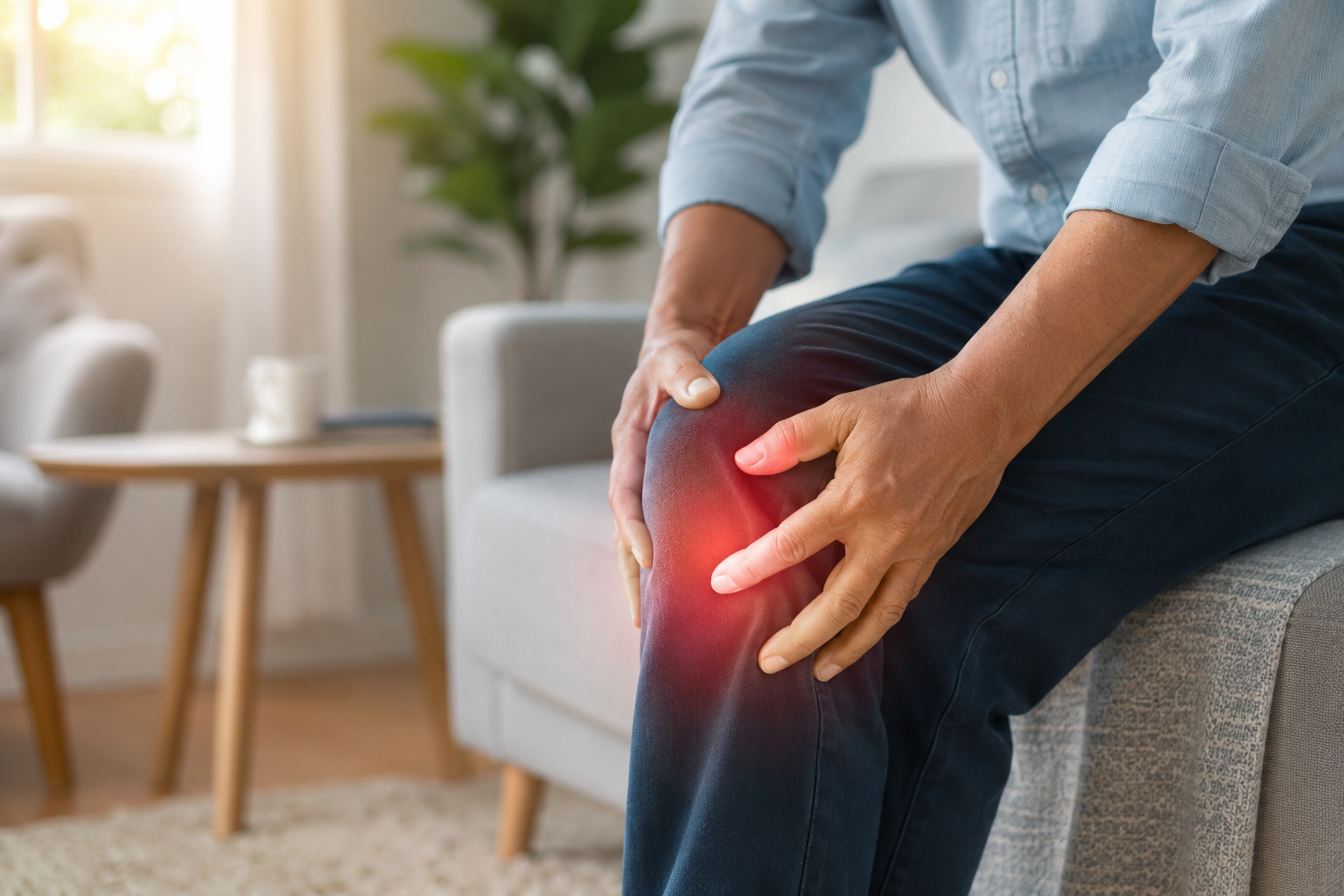
Joint pain can begin as a mild ache after exercise, a little stiffness in the morning, or discomfort while climbing stairs. It is easy to ignore these symptoms, especially when they come and go. However, persistent or worsening joint pain may indicate an underlying condition that needs proper evaluation. Consulting a Joint Pain Doctor in Balewadi can help identify the cause and determine an appropriate treatment approach before the problem starts affecting your mobility and daily routine.
Joint pain may be associated with arthritis, previous injuries, inflammation, overuse, cartilage problems, or other musculoskeletal conditions. Recognizing early warning signs can help you seek timely medical attention.
Why Should You Pay Attention to Joint Pain?
Occasional soreness after unusual physical activity may improve with rest. However, pain that continues, repeatedly returns, or interferes with normal activities deserves attention. Joint problems can gradually affect flexibility, strength, stability, and movement if the underlying cause remains untreated.
Early evaluation allows a doctor to understand your symptoms, examine the affected joint, and recommend further investigations such as X-rays or other imaging when appropriate. The treatment depends on the underlying cause and may involve activity modification, physiotherapy, medication, injections, or other orthopedic care.
What Are the Early Signs That Joint Pain Needs Attention?
1. Pain That Keeps Coming Back
Joint pain that repeatedly returns should not always be dismissed as normal tiredness. If discomfort occurs regularly after walking, climbing stairs, exercising, or performing routine activities, it may indicate an underlying joint problem.
Keeping track of when the pain appears, what activities make it worse, and whether rest improves it can provide useful information during a medical consultation.
2. Persistent Joint Stiffness
Stiffness, particularly after waking up or sitting for a long period, can be an important warning sign. You may notice difficulty bending a knee, moving your shoulder, opening your fingers, or getting up after sitting.
Persistent stiffness accompanied by pain or reduced flexibility deserves evaluation. Osteoarthritis, for example, commonly causes pain, stiffness, tenderness, reduced flexibility, and sometimes swelling.
3. Swelling, Warmth, or Redness
A joint that becomes swollen, warm, tender, or red may indicate inflammation. These symptoms should not be ignored, particularly when they occur without an obvious injury.
According to Mayo Clinic, joint pain accompanied by swelling, redness, tenderness, warmth, or fever is a reason to contact a healthcare professional.
4. Difficulty Moving the Joint
If you find it increasingly difficult to fully bend, straighten, rotate, or use a joint, it may be time for an orthopedic assessment.
Reduced range of motion can occur with arthritis, injuries, inflammation, cartilage problems, or other conditions. Early assessment can help determine why movement has become restricted and whether treatment is required.
5. Pain That Affects Everyday Activities
Joint pain becomes more concerning when it starts changing your lifestyle. You may stop taking walks, avoid stairs, have trouble sitting comfortably, or find household and work activities difficult.
When pain interferes with daily activities, it is worth discussing your symptoms with a healthcare professional rather than continually adapting your routine around the discomfort.
6. Grinding, Clicking, or Catching Sensations
Some people notice clicking, popping, grinding, or catching sensations in a painful joint. Occasional sounds without pain may not necessarily indicate a serious problem, but persistent noises accompanied by pain, stiffness, swelling, or restricted movement deserve attention.
For example, grinding or catching sensations can occur with degenerative changes affecting a joint.
7. Joint Pain After an Injury
Pain following a fall, sports injury, twisting movement, or direct impact should be evaluated when it is severe or does not improve.
A joint that looks deformed, suddenly swells, becomes extremely painful, or cannot be used after an injury requires prompt medical attention.
When Can Joint Pain Become Chronic?
When pain continues for an extended period or repeatedly returns, it may become a chronic concern. Chronic joint symptoms can affect mobility and quality of life and may require a more detailed evaluation.
Instead of repeatedly relying on temporary relief, it is important to identify what is causing the pain. Arthritis, old injuries, overuse, cartilage deterioration, inflammatory conditions, and other musculoskeletal problems can produce ongoing symptoms.
If your joint pain is becoming a regular part of your life, consulting a Joint Pain Doctor in Balewadi can help you understand the possible cause and explore suitable treatment options.
How Can You Protect Your Joints?
Healthy habits can support joint function and overall mobility. Depending on your condition and doctor’s advice, useful measures may include:
- Maintaining a healthy body weight to reduce unnecessary stress on weight-bearing joints.
- Choosing suitable low-impact physical activities.
- Avoiding movements that repeatedly aggravate pain.
- Following recommended strengthening and flexibility exercises.
- Allowing adequate recovery after strenuous activity.
- Seeking professional evaluation when symptoms persist or worsen.
Regular movement is generally important for maintaining joint function, but exercise should be appropriate for your condition. If a particular activity consistently increases pain, discuss it with a healthcare professional rather than pushing through worsening symptoms.
What Treatment Options May Be Considered?
Treatment depends on the diagnosis, severity of symptoms, age, activity level, and overall health. A doctor may recommend conservative approaches such as physiotherapy, exercises, lifestyle modifications, medication, or other non-surgical treatments.
For certain knee-related conditions, appropriate evaluation and treatment can help improve comfort and mobility. If knee pain is persistent, you can also learn more about Knee Pain Treatment in Chinchwad.
In more advanced cases, additional procedures or surgery may be considered when conservative treatment does not provide adequate relief. The most suitable approach should always be determined after a professional assessment.
Frequently Asked Questions (FAQs)
When should I see a doctor for joint pain?
You should consider seeing a doctor when joint pain persists, repeatedly returns, causes swelling or stiffness, limits movement, or begins interfering with daily activities.
Is occasional joint pain always a sign of arthritis?
No. Joint pain can have many causes, including injuries, overuse, inflammation, and different types of arthritis. A professional evaluation is needed to determine the underlying cause.
Can joint pain improve without treatment?
Mild pain after unusual activity may sometimes improve with rest and appropriate self-care. However, persistent, worsening, or recurrent pain should be assessed rather than repeatedly ignored.
What are warning signs after a joint injury?
Severe pain, sudden swelling, visible deformity, inability to use the joint, or difficulty bearing weight after an injury requires prompt medical attention.
Can early treatment help protect joint function?
Early diagnosis can help identify the underlying problem and guide appropriate management. Some inflammatory and degenerative joint conditions may benefit from timely treatment to help preserve function and reduce complications.
Final Thoughts
Joint pain should not automatically be considered a normal part of aging or everyday activity. Persistent pain, stiffness, swelling, reduced mobility, unusual joint sensations, and difficulty performing routine activities are signs that deserve attention.
Recognizing these symptoms early can encourage timely evaluation and appropriate care. If joint discomfort is affecting your movement or quality of life, consider consulting a Joint Pain Doctor in Balewadi for professional guidance and an individualized treatment plan.
Connect With Us
Step Ahead Clinic
602, 6th Floor, SK Business Park,
Above Benecare Hospital, Opposite ABZ,
Baner – 411045
Email: stepaheadclinic@gmail.com
Phone: +91 8237289813, +91 9371247168