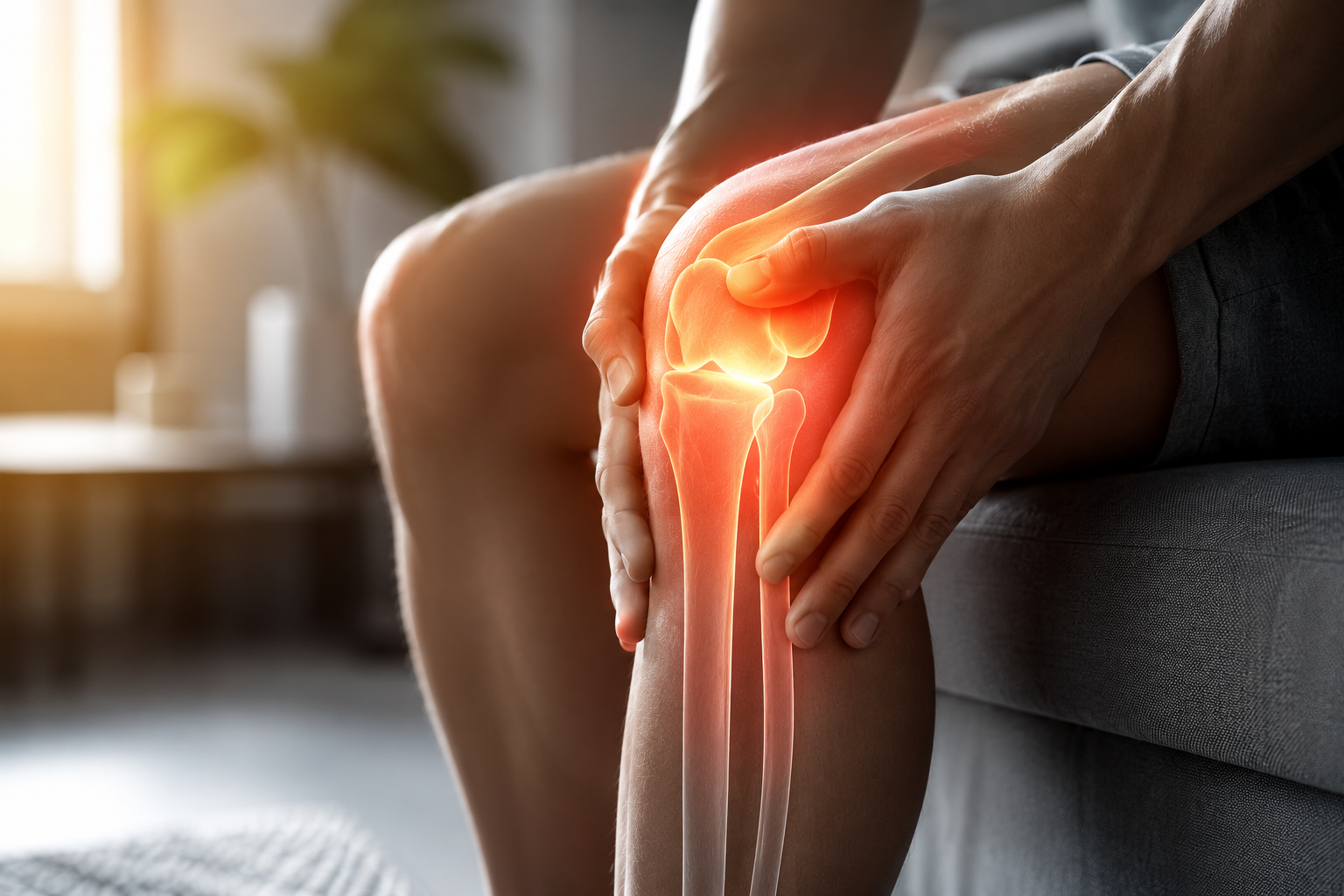
Joint disorders can significantly impact your daily life, making simple movements like walking, climbing stairs, or lifting objects difficult and painful. Whether caused by injury, aging, arthritis, or overuse, joint problems require timely diagnosis and effective treatment to prevent long-term complications. If you’re looking for professional Joint Pain Treatment in Bavdhan, expert orthopedic care can help identify the root cause of your discomfort and provide personalized treatment for lasting relief.
In this comprehensive guide, we’ll explore common joint disorders, their symptoms, diagnostic methods, treatment options, and preventive measures to help you maintain healthy, pain-free joints.
Understanding Joint Disorders
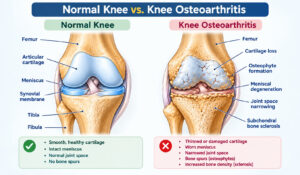
Joints are the connections between bones that allow movement and flexibility. Healthy joints contain cartilage, ligaments, tendons, muscles, and synovial fluid that work together to ensure smooth motion. When any of these structures become damaged or inflamed, joint disorders can develop.
Common joint disorders include:
- Osteoarthritis
- Rheumatoid Arthritis
- Gout
- Bursitis
- Tendinitis
- Ligament Injuries
- Cartilage Damage
- Joint Infections
Early diagnosis is essential because untreated joint conditions may lead to chronic pain, reduced mobility, and permanent joint damage.
What Causes Joint Disorders?
Several factors contribute to joint disorders, including:
- Age-related wear and tear
- Sports injuries
- Obesity
- Autoimmune diseases
- Genetic predisposition
- Previous fractures
- Poor posture
- Repetitive stress
- Sedentary lifestyle
Understanding the underlying cause helps orthopedic specialists recommend the most appropriate treatment plan.
Common Symptoms of Joint Disorders
Joint disorders may present with one or more of the following symptoms:
- Persistent joint pain
- Swelling
- Tenderness
- Redness around the joint
- Reduced range of motion
- Clicking or grinding sounds
- Difficulty walking
- Muscle weakness
- Fatigue (especially in inflammatory arthritis)
One of the earliest warning signs many patients experience is Joint Stiffness, especially after waking up or following prolonged periods of inactivity. Ignoring this symptom may allow the condition to worsen over time.
For patients experiencing persistent Joint Stiffness, consulting an experienced Orthopedic Doctor in Aundh can help determine the exact cause and prevent further complications.
How Are Joint Disorders Diagnosed?
Accurate diagnosis forms the foundation of successful treatment. Orthopedic specialists follow a systematic evaluation process.
1. Medical History
The doctor asks about:
- Duration of symptoms
- Previous injuries
- Family history
- Existing medical conditions
- Physical activity level
- Pain pattern
2. Physical Examination
The joint is examined for:
- Swelling
- Tenderness
- Stability
- Range of motion
- Muscle strength
- Walking pattern
3. Imaging Tests
Depending on the symptoms, imaging may include:
- X-rays
- MRI Scan
- CT Scan
- Ultrasound
These tests reveal cartilage damage, fractures, ligament injuries, inflammation, and bone abnormalities.
4. Blood Tests
Blood investigations help diagnose:
- Rheumatoid arthritis
- Autoimmune diseases
- Infections
- Gout
5. Joint Fluid Analysis
Fluid collected from the affected joint may be tested to identify infection, inflammation, or crystal deposits associated with gout.
Treatment Options for Joint Disorders
Treatment depends on the diagnosis, severity, age, and lifestyle of the patient.
Conservative Treatments
Most joint disorders respond well to non-surgical treatment during the early stages.
Medications
Doctors may prescribe:
- Anti-inflammatory medicines
- Pain relievers
- Muscle relaxants
- Disease-modifying medications for arthritis
Physiotherapy
Physical therapy improves:
- Flexibility
- Strength
- Balance
- Mobility
- Joint stability
Regular exercises also reduce future injury risk.
Lifestyle Changes
Healthy habits significantly improve joint health.
Recommended changes include:
- Weight management
- Regular exercise
- Balanced nutrition
- Good posture
- Proper footwear
Advanced Non-Surgical Treatments
Modern orthopedic clinics may recommend:
- PRP Therapy
- Hyaluronic Acid Injections
- Corticosteroid Injections
- Regenerative Medicine
These therapies reduce inflammation and improve joint function without surgery.
Surgical Treatment
When conservative treatment fails, surgery may become necessary.
Common orthopedic procedures include:
- Arthroscopy
- Ligament Reconstruction
- Cartilage Repair
- Joint Replacement Surgery
Fortunately, many patients seeking Joint Pain Treatment in Bavdhan recover successfully through early intervention without requiring surgery.
Preventing Joint Disorders
Prevention is always better than treatment.
Follow these tips:
- Stay physically active
- Stretch before exercise
- Strengthen supporting muscles
- Maintain healthy body weight
- Avoid repetitive strain
- Eat calcium-rich foods
- Get enough Vitamin D
- Drink adequate water
- Avoid smoking
Small lifestyle improvements can significantly reduce the risk of developing chronic joint problems.
When Should You Visit an Orthopedic Specialist?
Seek immediate medical attention if you experience:
- Severe joint pain
- Sudden swelling
- Joint deformity
- Inability to bear weight
- Persistent stiffness lasting several weeks
- Fever with joint pain
- Frequent joint locking
Delaying treatment may result in permanent joint damage.
Early consultation ensures faster recovery and better long-term outcomes.
Benefits of Early Diagnosis
Prompt orthopedic evaluation offers several advantages:
- Faster pain relief
- Accurate diagnosis
- Reduced inflammation
- Improved mobility
- Prevention of permanent damage
- Better quality of life
- Lower risk of surgery
Frequently Asked Questions (FAQs)
What are the most common causes of joint disorders?
The most common causes include arthritis, injuries, aging, obesity, autoimmune diseases, repetitive stress, and infections.
How is joint pain diagnosed?
Orthopedic specialists diagnose joint pain using medical history, physical examination, X-rays, MRI scans, blood tests, and sometimes joint fluid analysis.
Can joint disorders be treated without surgery?
Yes. Many joint disorders improve with medications, physiotherapy, lifestyle changes, injections, and regenerative therapies when diagnosed early.
When should I consult an orthopedic doctor?
You should seek medical advice if joint pain lasts more than a few days, limits your movement, causes swelling, or is associated with stiffness or instability.
Can exercise help with joint disorders?
Yes. Appropriate low-impact exercises strengthen muscles, improve flexibility, and reduce pain while protecting the joints.
Final Thoughts
Joint disorders are common but highly manageable when diagnosed early and treated appropriately. Recognizing symptoms such as pain, swelling, and Joint Stiffness can help prevent long-term joint damage. Whether your condition is caused by arthritis, injury, or age-related degeneration, receiving expert orthopedic care ensures an accurate diagnosis and personalized treatment plan.
Don’t ignore persistent joint discomfort. Early intervention can restore mobility, relieve pain, and improve your overall quality of life.
Connect With Us
If you’re searching for expert orthopedic care and effective Joint Pain Treatment in Bavdhan, Step Ahead Clinic is committed to providing advanced diagnosis, personalized treatment plans, and compassionate care for every patient.
Step Ahead Clinic
📍 Address:
602, 6th Floor, SK Business Park, Above Benecare Hospital, Opposite ABZ, Baner – 411045
📧 Email: stepaheadclinic@gmail.com
📞 Phone: +91 8237289813, +91 9371247168
Visit us today and take the first step toward healthier, pain-free joints.