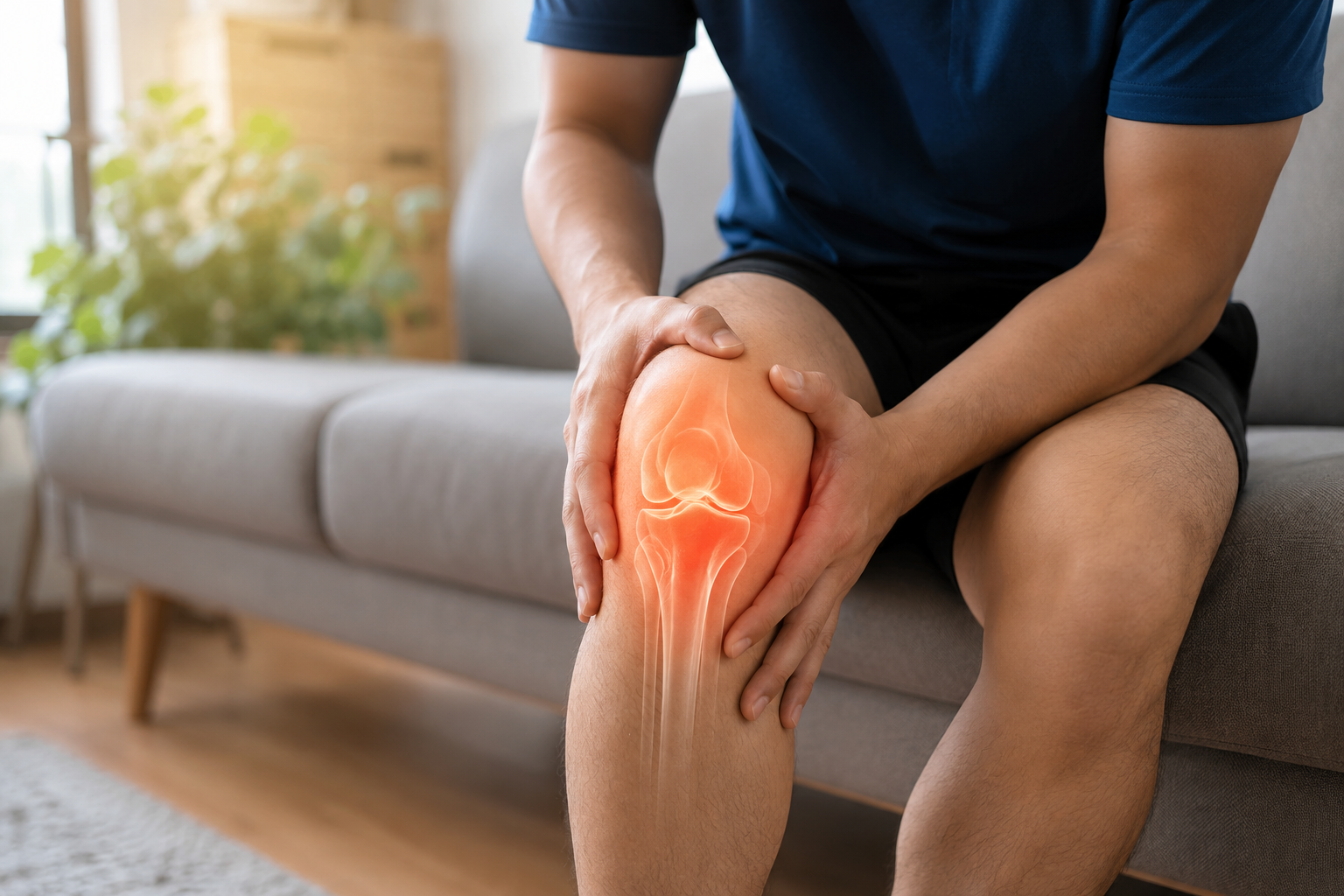
Knee pain can affect people of all ages and may develop after an injury, overuse, physical activity, or gradual changes in the joint. While occasional discomfort may improve with rest, persistent or worsening symptoms should not be ignored. Knowing when to seek professional care can help prevent a minor problem from becoming a long-term limitation. Consulting a knee expert in Pimple Saudagar can help identify the underlying cause of your symptoms and guide you toward appropriate treatment.
Understanding the Common Causes of Knee Pain
The knee is a complex joint that supports body weight and allows walking, running, climbing stairs, and many everyday movements. Because it is used frequently, it can be affected by several conditions.
Common causes include ligament or cartilage injuries, muscle strain, arthritis, tendon problems, inflammation, and repetitive stress. Age-related changes can also contribute to stiffness and discomfort. In some cases, knee pain may begin gradually, while other problems occur suddenly following a fall, twist, or sports-related incident.
A proper assessment is important because similar symptoms can arise from very different conditions. Treatment that works for one cause may not be suitable for another.
When Is Knee Pain a Reason to See a Specialist?
Not every episode of knee discomfort requires immediate specialist attention. However, certain symptoms indicate that professional evaluation may be beneficial.
Pain That Continues Despite Rest
If your knee remains painful after several days of rest and reduced activity, it may be worth getting evaluated. Persistent discomfort can sometimes indicate an underlying joint, ligament, tendon, or cartilage problem.
Swelling Around the Knee
Visible swelling or a feeling of fullness around the joint can occur after an injury or because of inflammation. Repeated or unexplained swelling should be assessed rather than repeatedly managed at home.
Difficulty Walking or Bearing Weight
If knee pain makes it difficult to stand, walk, climb stairs, or put weight on the affected leg, professional evaluation becomes more important. Reduced mobility can interfere with work, exercise, and everyday activities.
Knee Pain After an Injury
A Knee Injury can involve structures such as ligaments, tendons, cartilage, or bones. A twisting movement, fall, sports incident, or direct impact may cause significant damage even when there is no obvious external injury.
If pain follows an injury and is accompanied by swelling, instability, restricted movement, or difficulty bearing weight, a specialist can assess the problem and determine whether further investigations are needed.
Locking, Catching, or Instability
A knee that locks, catches during movement, or feels as though it may give way should not be ignored. These symptoms can affect stability and increase the risk of further injury, particularly during physical activity.
Reduced Range of Motion
Difficulty completely bending or straightening the knee can indicate inflammation, injury, or another joint problem. If restricted movement persists, an evaluation can help determine the reason.
Why Early Evaluation Can Be Helpful
Many people delay seeing a specialist because they expect knee pain to disappear on its own. Although mild discomfort can sometimes improve, continuing activities that aggravate an undiagnosed condition may prolong recovery.
Early assessment can help establish what is causing the pain and whether conservative measures such as activity modification, physiotherapy, exercises, medication, or other approaches may be appropriate. When necessary, a specialist may recommend diagnostic imaging or discuss additional treatment options.
The goal is not simply to reduce pain temporarily but to understand the underlying issue and support better long-term joint function.
What Can You Expect During a Knee Consultation?
A specialist generally begins by discussing your symptoms, medical history, activity level, and how the pain started. You may be asked about previous injuries, swelling, stiffness, clicking, instability, and activities that make the symptoms better or worse.
A physical examination can help assess tenderness, movement, strength, stability, and the condition of surrounding tissues. Depending on the findings, diagnostic tests may be suggested.
Treatment recommendations vary according to the diagnosis and severity of the problem. Some patients may benefit from non-surgical management, while specific structural problems may require more advanced intervention. A personalized treatment plan helps ensure that care is appropriate for the individual.
For people looking for specialized evaluation and treatment options, you can also explore a knee specialist in Wakad for professional guidance.
How Can You Reduce the Risk of Future Knee Problems?
Although not every knee condition can be prevented, several healthy habits can support joint health:
- Maintain a healthy body weight to reduce unnecessary stress on the knees.
- Use appropriate techniques while exercising or lifting.
- Warm up before sports and strenuous activities.
- Strengthen the muscles around the hips and legs.
- Increase exercise intensity gradually.
- Wear suitable footwear for your activity.
- Give your body sufficient recovery time after demanding physical activity.
- Avoid repeatedly exercising through significant pain.
These measures may support mobility and reduce avoidable strain, but persistent symptoms still deserve professional evaluation.
Frequently Asked Questions (FAQs)
When should I see a specialist for knee pain?
Consider consulting a specialist if pain persists, repeatedly returns, limits movement, causes swelling, or interferes with walking and everyday activities. Pain following an injury should also be evaluated when symptoms are significant or do not improve.
Is knee pain always caused by an injury?
No. Knee pain can result from injuries, arthritis, inflammation, overuse, tendon problems, cartilage changes, and several other conditions. A clinical assessment can help identify the likely cause.
Can I exercise when my knee hurts?
It depends on the cause and severity of the pain. High-impact activities may aggravate certain conditions. It is better to discuss persistent or significant pain with a healthcare professional before continuing strenuous exercise.
What happens if knee pain is ignored?
Ignoring ongoing symptoms may allow an underlying problem to continue or worsen. Persistent pain, swelling, instability, or reduced mobility should be evaluated so that appropriate care can be considered.
Is every knee problem treated with surgery?
No. Treatment depends on the diagnosis, severity, symptoms, activity requirements, and individual circumstances. Many knee problems can initially be managed with non-surgical approaches when appropriate.
Final Thoughts
Knee pain should not automatically be considered a normal part of getting older or something that must simply be tolerated. Persistent discomfort, swelling, instability, restricted movement, or symptoms following an injury can be reasons to seek professional assessment.
Getting evaluated by a knee expert in Pimple Saudagar can help you understand your symptoms and explore suitable treatment options. Early attention may help protect mobility and make it easier to return to everyday activities with greater confidence.
Connect With Us
For consultation and professional guidance, contact Step Ahead Clinic:
Address: 602, 6th Floor, SK Business Park, Above Benecare Hospital, Opposite ABZ, Baner – 411045
Email: stepaheadclinic@gmail.com
Phone: +91 8237289813, +91 9371247168
Website: https://www.stepaheadclinic.com/